


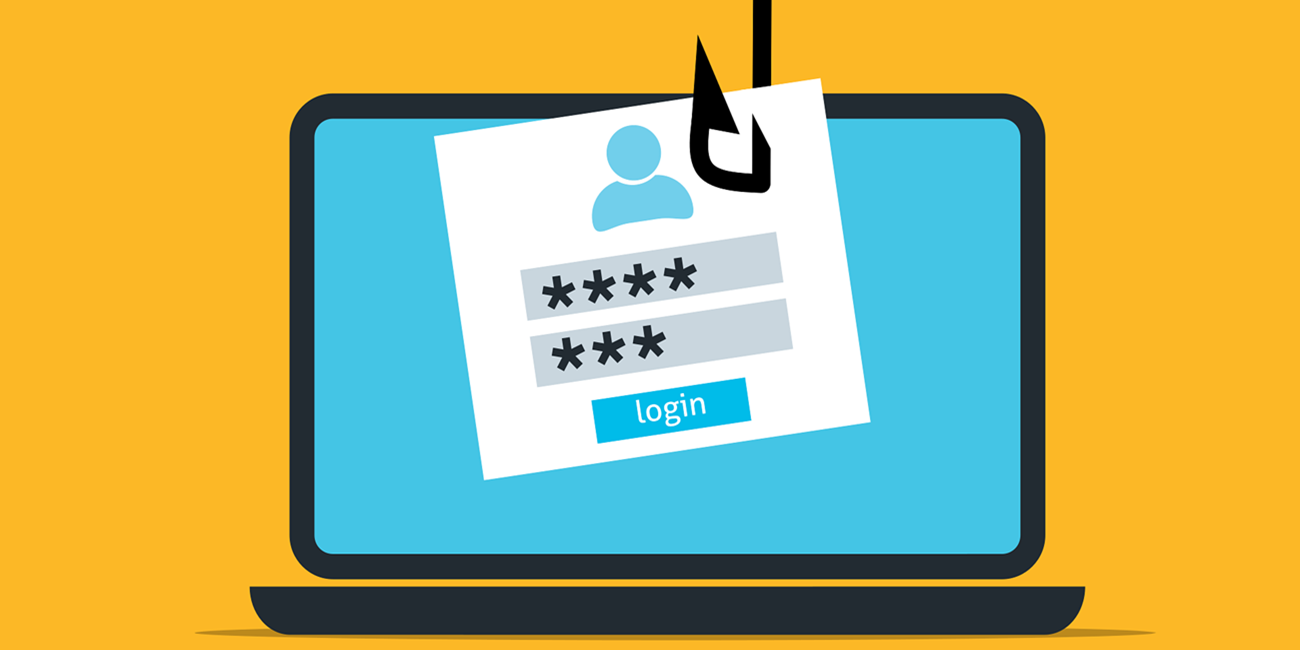
How to Spot Remote Job Scams
A Complete Guide to Verifying Companies, Checking Domains, and Protecting Your Personal Information
Learn how to spot remote job scams with this complete guide to verifying companies, checking domains, and protecting your personal information.
Introduction
Remote work has opened the door to global opportunities — but it has also created space for scammers who exploit job seekers. Fake recruiters, cloned company websites, and phishing job offers are becoming more sophisticated every year.
To stay safe, remote professionals must know how to **verify companies, check domains, analyze job postings, and protect their personal information**.
This guide gives you a clear, step‑by‑step process to identify legitimate remote jobs and avoid scams.
1. Verify the Company’s Online Presence
Before engaging with any recruiter or job offer, confirm that the company actually exists.
Check the official website
A legitimate company should have:
– A professional website
– A clear “About” page
– Real team members
– Contact information
– A secure domain (https://)
Search the company on LinkedIn
Look for:
– A real company page
– Employees with active profiles
– Recent posts or activity
Google the company name + scam
If others have been targeted, you’ll often find warnings.
Red flag:
A company with no online presence or a website created recently (you can check via WHOIS lookup).
2. Check the Email Domain Carefully
Scammers often use email addresses that *look* legitimate but are not.
Safe examples:
– name@company.com
– hr@company.org
Suspicious examples:
– company.hr@gmail.com
– recruitment.company@yahoo.com
– name@company‑jobs.net
How to verify the domain
– Visit the company’s official website
– Compare the domain to the recruiter’s email
– Look for misspellings (e.g., micr0soft.com, remot‑job.org)
Red flag
Any company using free email services (Gmail, Yahoo, Outlook) for hiring.
3. Analyze the Job Posting for Warning Signs
Scam job ads often include unrealistic promises or vague descriptions.
Common red flags:
– Extremely high salary for minimal experience
– No interview required — You’re hired instantly!
– Poor grammar or generic job descriptions
– No company name or unclear responsibilities
– Requests for upfront payments or equipment purchases
Legitimate job postings include:
– Clear responsibilities
– Required skills
– Company details
– Hiring process steps
– Realistic salary ranges
If the job sounds too good to be true, it usually is.
4. Confirm the Recruiter’s Identity
Scammers often impersonate real employees.
Steps to verify:
– Search the recruiter on LinkedIn
– Check if their profile is active and matches the company
– Compare their email domain with the company’s official domain
– Look for inconsistencies in job title or employment history
Red flag:
A recruiter who refuses to connect on LinkedIn or avoids video calls.
5. Protect Your Personal Information
Legitimate companies never ask for sensitive information early in the hiring process.
Never share:
– Passport or ID photos
– Bank account details
– Social Security / National ID numbers
– Home address
– Credit card information
Safe to share later in the process:
– Resume
– Portfolio
– LinkedIn profile
Red flag:
Any request for personal documents before an official job offer is signed.
6. Watch Out for Payment & Equipment Scams
Two of the most common remote job scams:
1. We’ll send you a check to buy equipment.
The check is fake. You send money to the vendor, and the scammer disappears.
2. Pay for training or software upfront.
Legitimate employers cover all onboarding costs.
Rule:
You should never pay to get a job.
7. Validate Job Offers Through Official Channels
If you receive an offer, verify it through:
– The company’s official careers page
– The HR department’s email listed on the website
– A LinkedIn message to a verified employee
Tip:
Ask the recruiter to send the offer from an official company domain.
8. Trust Your Instincts — and Slow Down
Scammers rely on urgency.
Red flags:
– You must accept today.
– Limited spots available.
– We need your documents immediately.
Legitimate companies respect your time and decision‑making process.
Conclusion
Remote job scams are becoming more sophisticated, but with the right knowledge, you can protect yourself.
By verifying companies, checking domains, analyzing job postings, and safeguarding your personal information, you can confidently navigate the remote job market and avoid dangerous traps.
Staying informed is your best defense — and your best advantage.
Looking for safe, verified remote jobs?
Explore trusted opportunities across our network of remote job platforms — carefully curated to help you avoid scams and find real, high‑quality roles.
Visit the Remote Job Board on jobs-fromhome.com and start your search safely.